After more than five years of suspension, the Ben Nghe tidal barrier gate (part of the VND 10,000 billion flood-control project) has undergone trial operation, gradually completing the tidal control system for the central area.
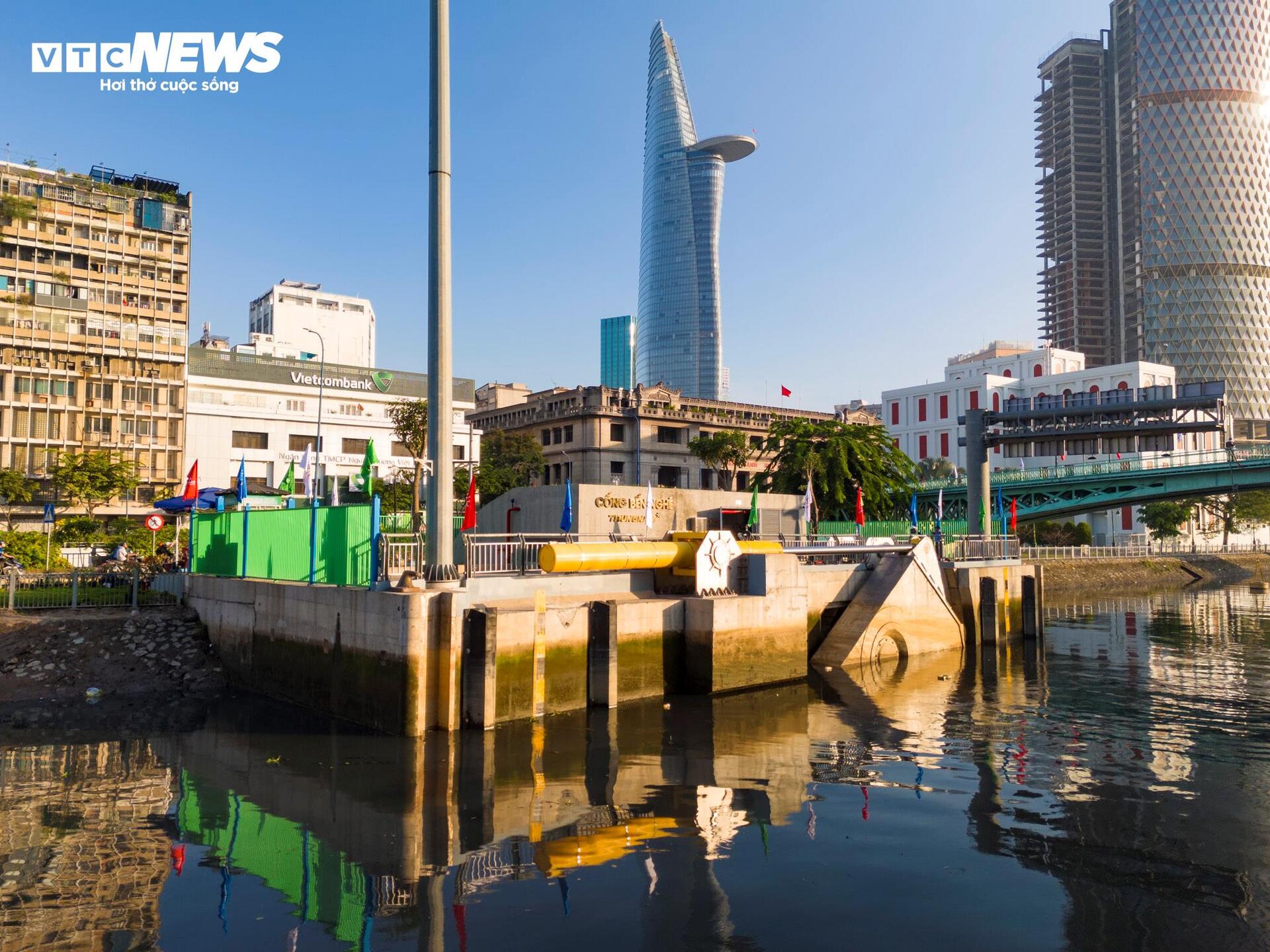 |
| After a long interruption, the project “Flood control for Ho Chi Minh City due to tides, taking into account climate change – Phase 1” is being restarted, in which the Ben Nghe tidal barrier gate is a special component playing an important role in the flood-control system for the inner city. |
 |
|
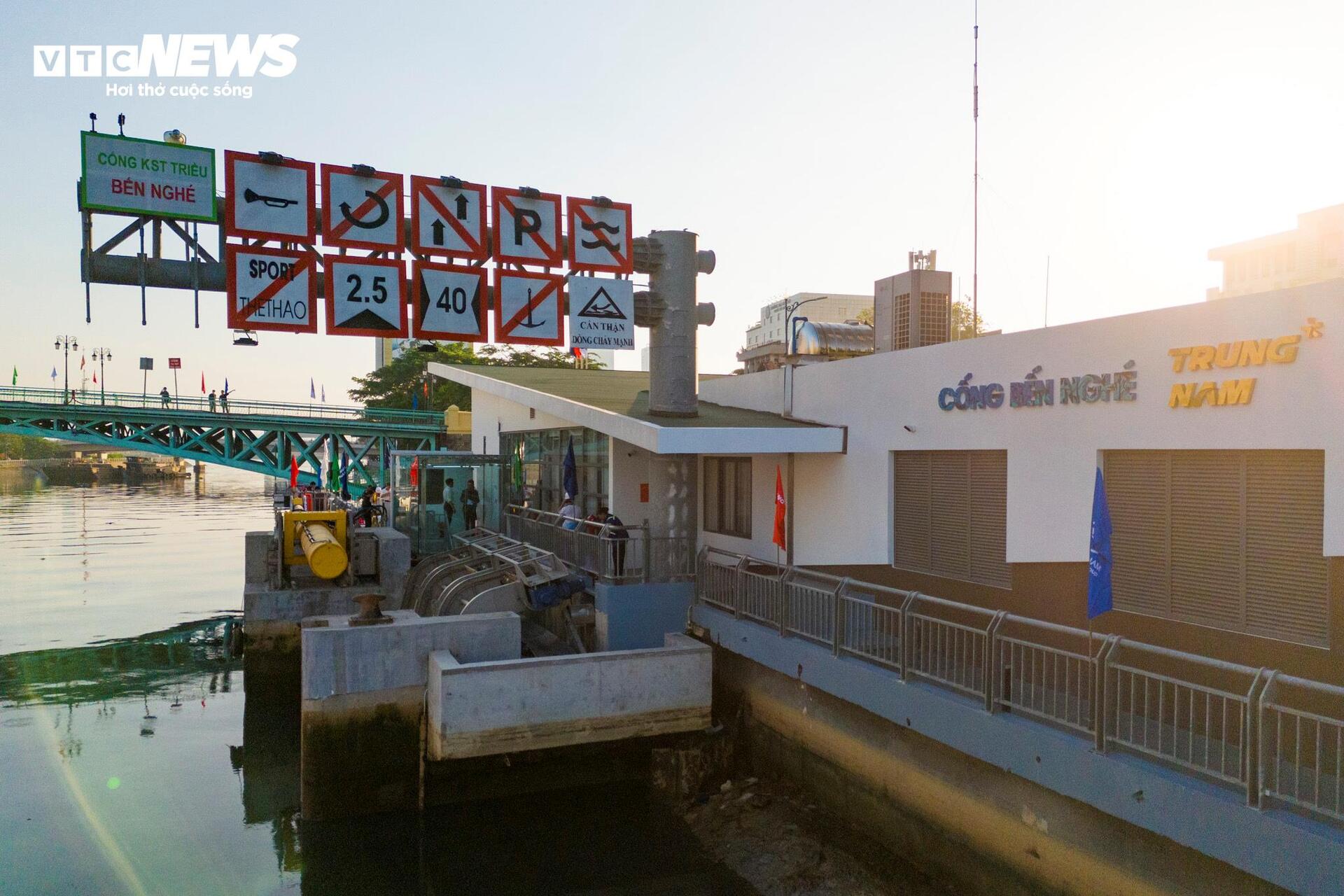
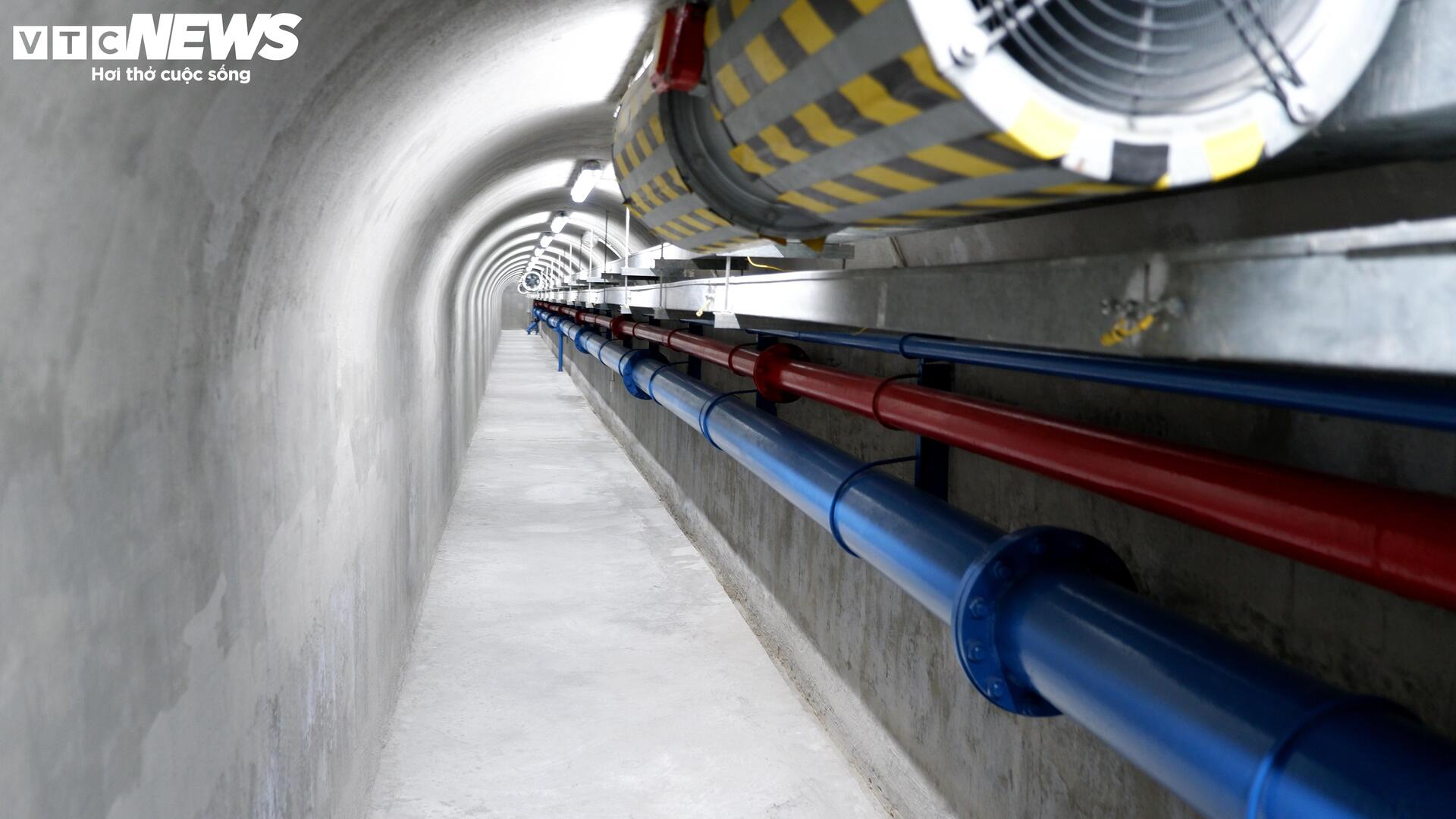
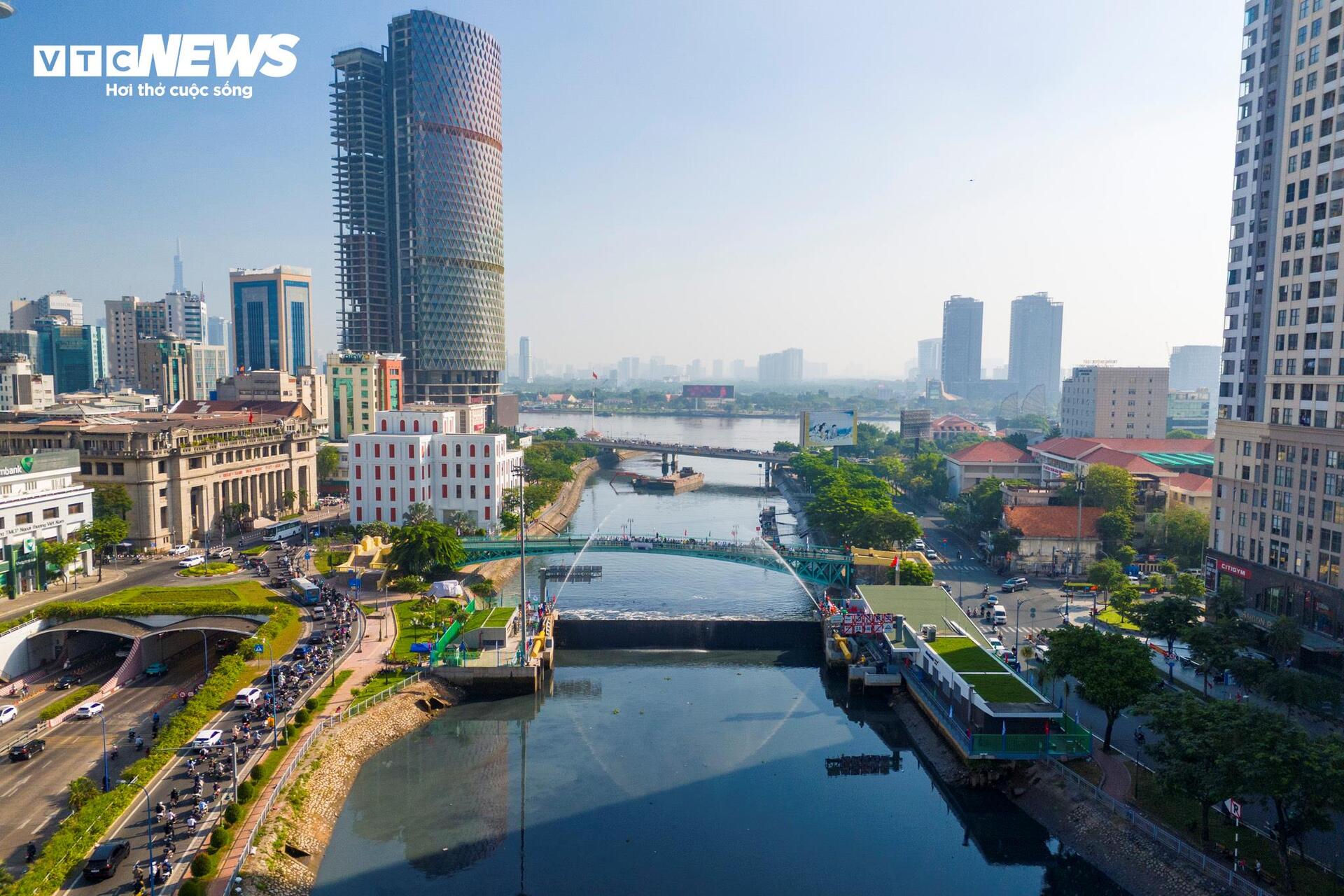
Ben Nghe Gate is one of the six large tidal control gates of the VND 10,000 billion flood-control project. This is the only structure designed with a submerged gate system and an internal access route underground beneath the bed of the Ben Nghe Canal, serving operation and maintenance.
|
 |
|
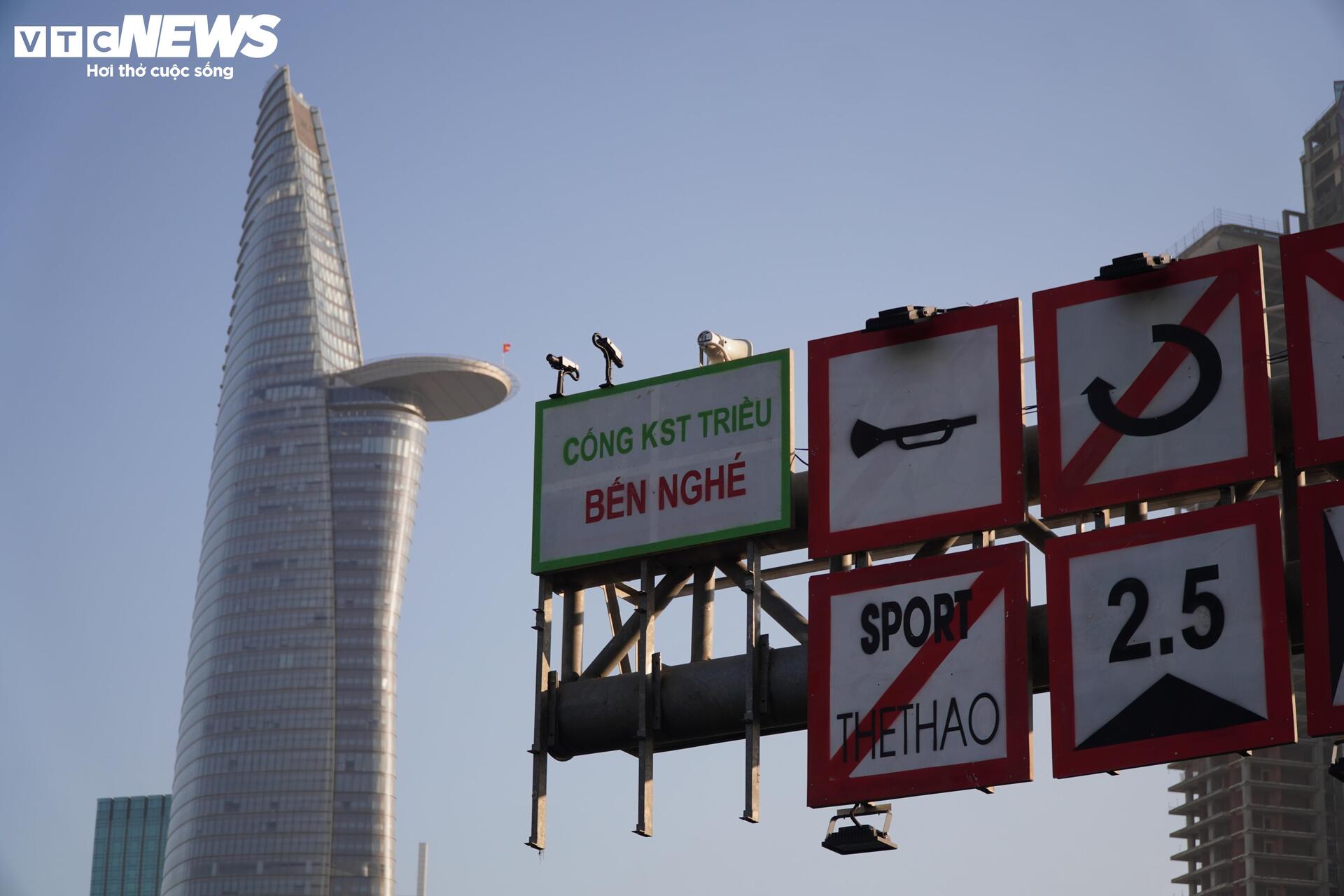
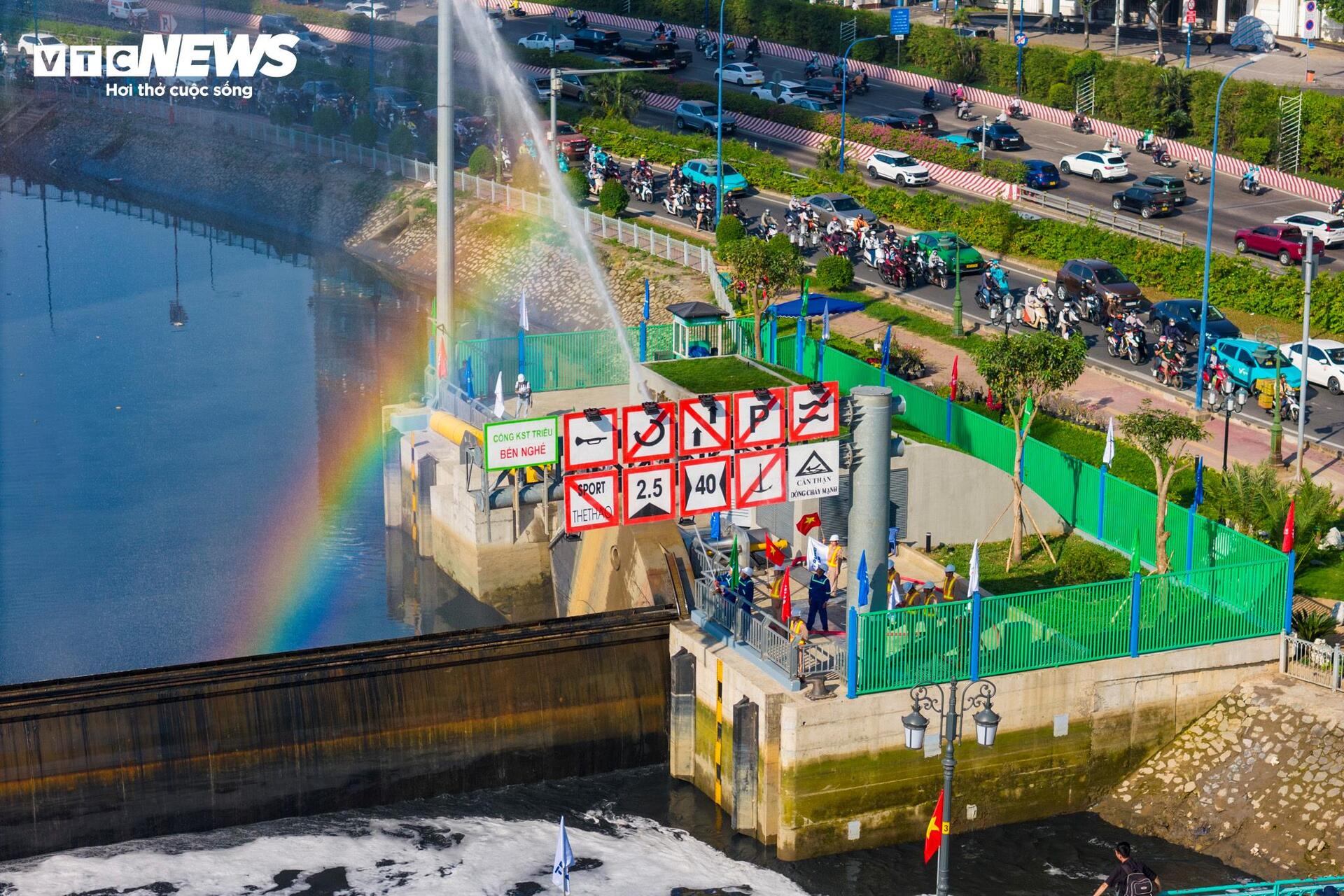
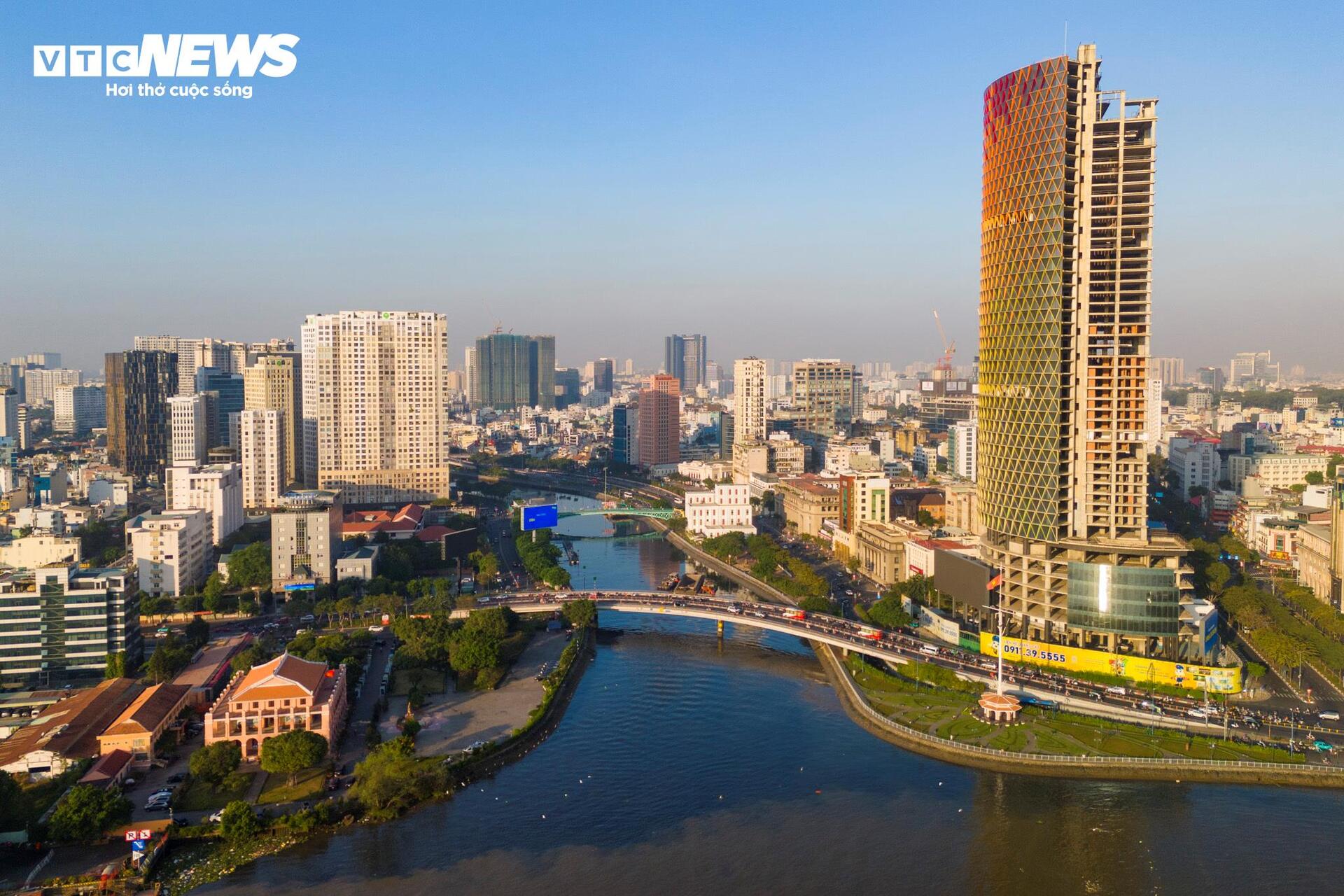
The Ben Nghe tidal barrier gate is located on the Ben Nghe Canal, near Mong Bridge, on the boundary between Xom Chieu Ward (former District 4) and Sai Gon Ward (former District 1). Located in the core center of Ho Chi Minh City, the structure was designed to harmonize with the surrounding landscape and minimize impacts on architectural space and waterway traffic.
|
 |
|
A notable highlight of the gate is its submerged gate system weighing more than 434 tons. When not in operation, the gate remains hidden beneath the water surface, ensuring urban aesthetics and allowing normal vessel traffic.
|
 |
|
When the tide level on the Saigon River rises, the gate will be lifted to prevent tidal water from entering the inner-city canal network. Conversely, when the water level outside the river is lower than inside, the gate is lowered to discharge water, maintain flow, and maintain waterway traffic. During the rainy season, the gate also plays a regulating role, supporting drainage when hydrological conditions allow.
|
 |
|
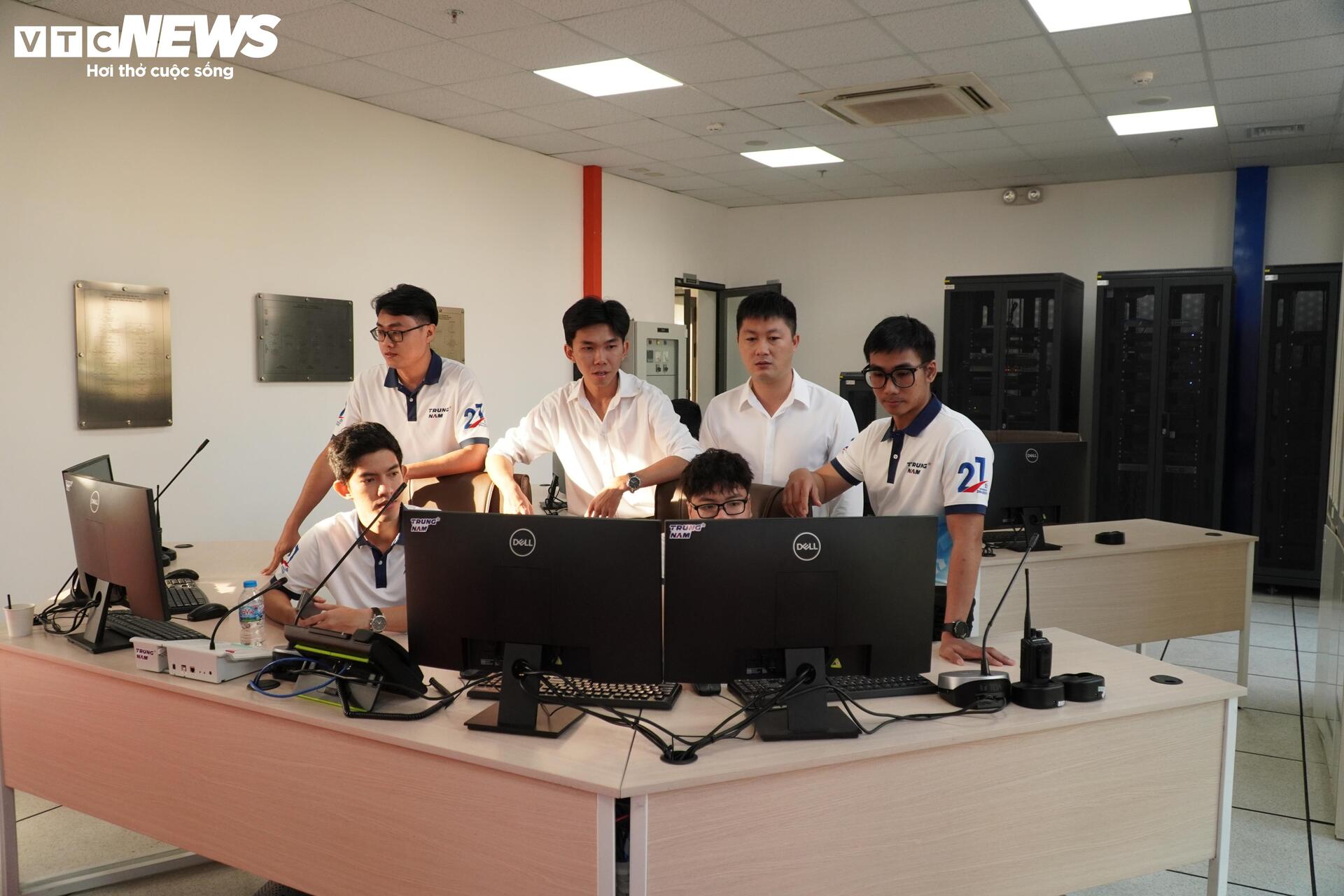
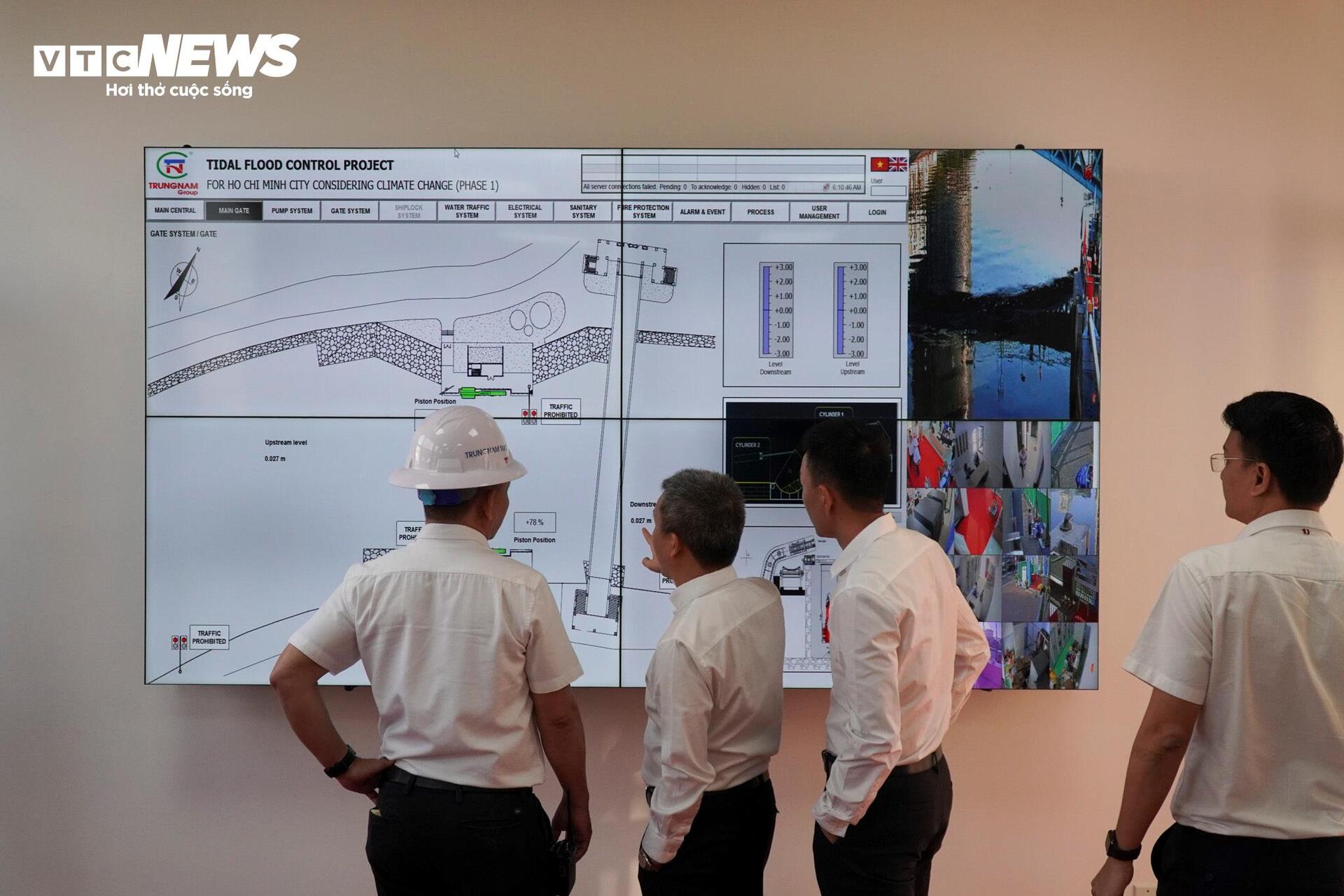
The Ben Nghe Gate includes many important technical components such as the ultra-heavy gate, gate-support beams, seepage cut-off sheet piles, regulating valve system, internal operation route, automatic control center, and canal dredging items.
|
 |
|
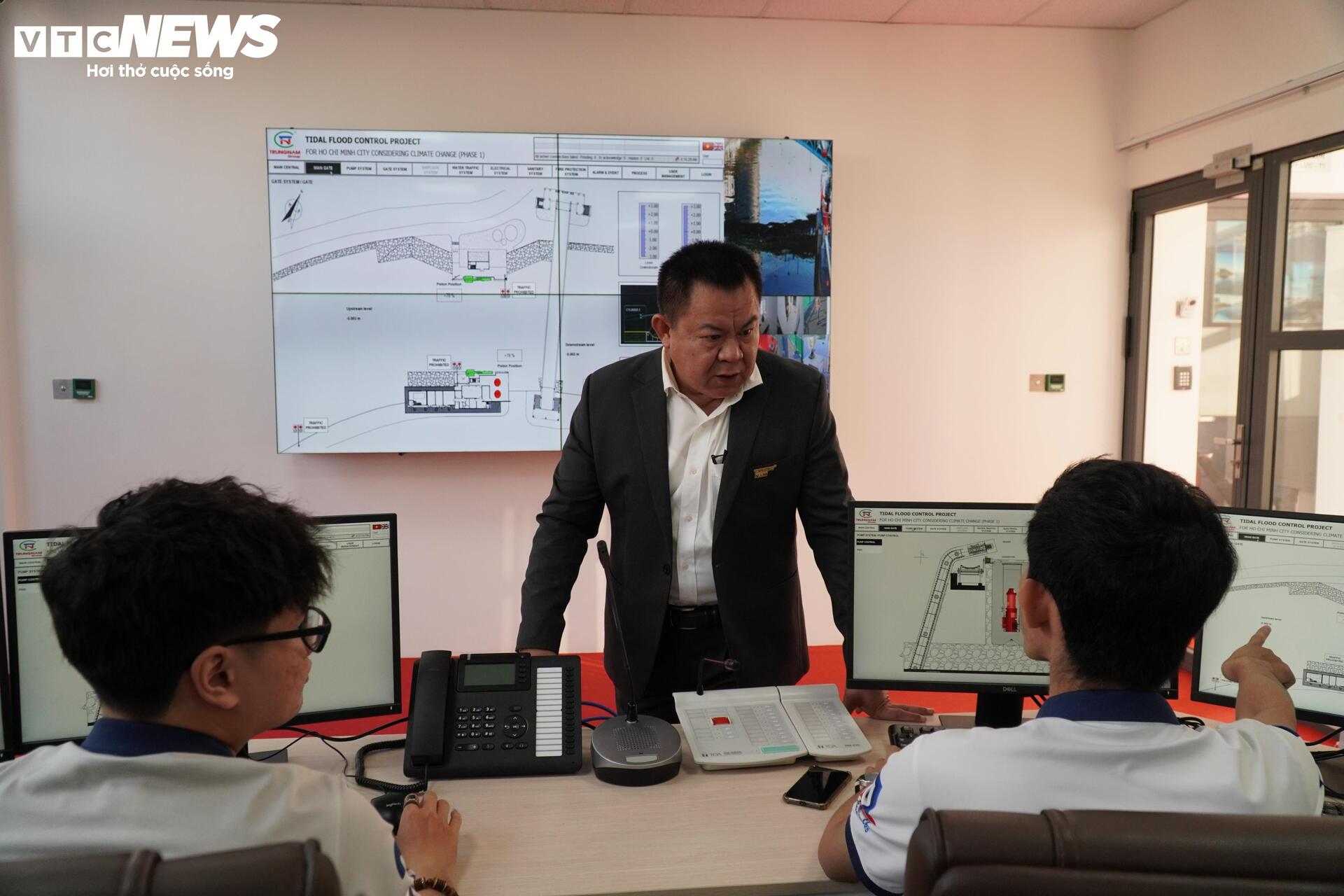
Equipment at the structure is invested to modern standards, meeting requirements for automated operation and real-time water level control.
|
 |
|
According to Mr. Nguyen Tam Tien, CEO of Trung Nam Group—the project investor—the system of works under the Ho Chi Minh City flood-control project has three main functions: preventing tides, maintaining the water environment, and supporting pumping to reduce flooding.
|
 |
|
The Ben Nghe Gate in particular is designed as an underground gate, with the entire gate system arranged submerged under the water surface. The structure operates like a “defense line,” both blocking tides from outside and supporting pumping water out to the river, creating conditions for receiving and draining stormwater from the inner city.
|
 |
|
After more than five years of suspension, the Ben Nghe tidal barrier gate was restarted and has been under trial operation since early February 2026. This is considered an important step in completing the flood-control system for the central area of Ho Chi Minh City. Currently, the works are focusing on completing the final items, including dredging the canal bed and completing the SCADA automatic control system.
|
 |
|
The investor’s representative said that Phase 1 of the flood-control project has so far completed about 94% of the workload. The remaining part mainly involves equipment inspection and calibration, system connection, trial operation, and acceptance. According to the plan, the project will be completed and put into operation this year. The investor commits to taking responsibility for warranty and operation of the entire system for five years after handover.
|
 |
|
When stably put into operation, the Ben Nghe tidal barrier gate together with other components of the project is expected to help reduce tidal flooding, gradually improve the water environment, and improve living conditions for the central area of Ho Chi Minh City.
|
SOURCE: LUONG Y - VTCNEWS